Warm air goes up
Heated indoor air carries moisture from cooking, showers, and breathing. In older homes, it escapes into the attic through gaps around light fixtures, plumbing stacks, and the attic hatch. When that air touches cold roof sheathing, the moisture condenses or freezes.
Signs to look for
Frost on the tips of roofing nails, dark staining on the underside of sheathing, damp insulation, and a musty smell near the hatch all point to condensation. Staining is often worst on the north facing side of the roof, which stays coldest.
Common causes
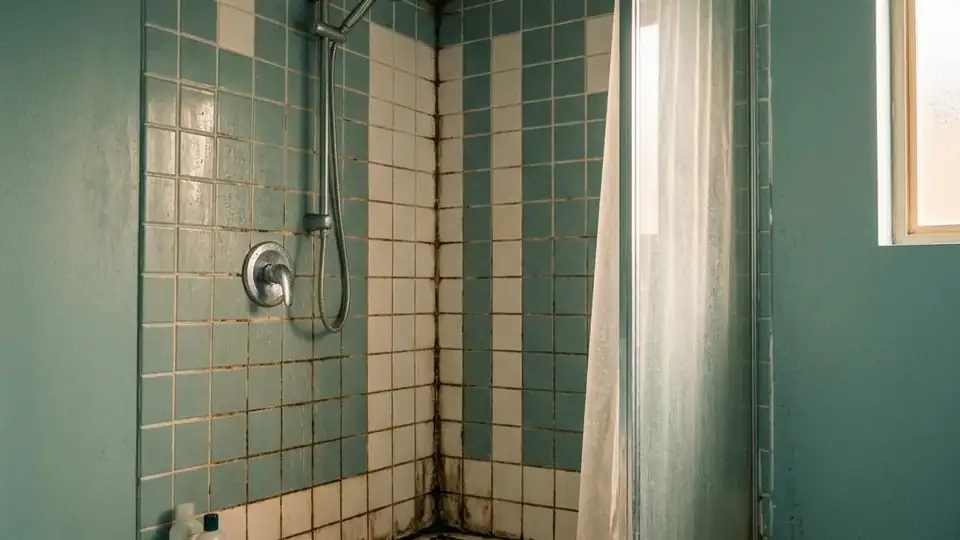
Bathroom exhaust fans that vent into the attic instead of outside are a frequent culprit. Blocked soffit vents, missing air sealing, and too little insulation add to it.
Fixing it for good
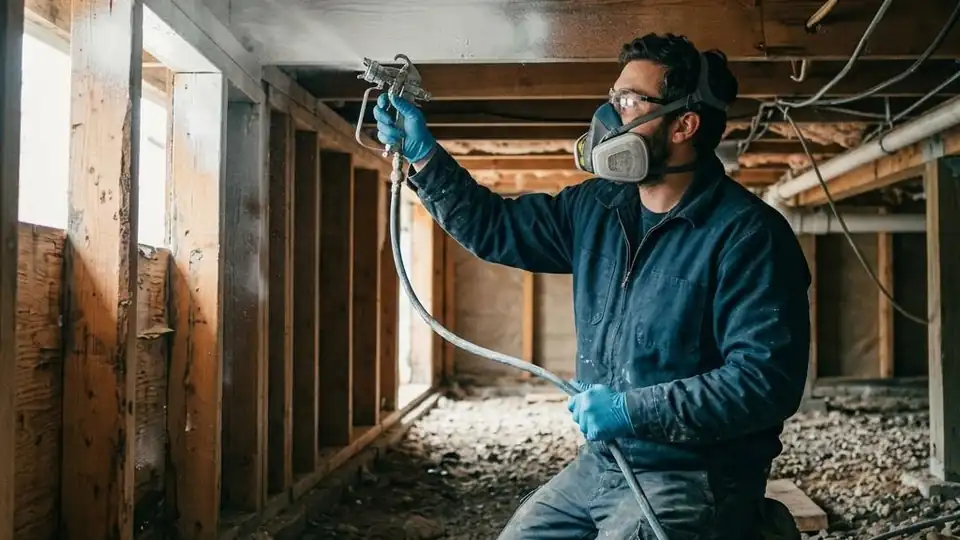
Attic mold remediation cleans affected wood, but the condensation pattern also needs attention. Venting fans outdoors, air sealing, and restoring airflow through soffit and ridge vents help keep the attic dry next winter. Mold resistant encapsulation can add protection after cleaning.