

Mold remediation service in Detroit, Michigan
Mold Remediation
Mold remediation is the full process of stopping active growth, removing contaminated material, and returning a space to a clean, dry condition. For Detroit homes and buildings, that usually starts with a moisture problem nobody saw coming: a slow pipe leak, a wet basement wall, or a bathroom without enough ventilation.
The problem
What usually leads to a call about mold remediation
Most people call us after they notice a smell, a stain that keeps coming back, or a patch of growth they already scrubbed once. Surface cleaning rarely solves it, because the water that fed the mold is still there and the growth often extends behind drywall, under flooring, or inside framing. Bleach on a wall can make it look better for a few weeks while the real colony keeps spreading.
Signs to watch for
- A musty odor that is strongest in one room or level
- Spots or staining that return after cleaning
- Peeling paint, bubbling drywall, or warped trim
- Recent leaks or water you could not fully dry within a couple of days
Scope
What the work includes
- Assessment of visible growth and likely moisture sources
- Containment with plastic barriers so spores do not travel
- Removal of porous materials that cannot be cleaned, such as soaked drywall or insulation
- HEPA vacuuming and detailed cleaning of framing and hard surfaces
- Drying, and recommendations for repairs that keep the area dry
Process
How we approach it
- 1
Look and listen
We walk the space with you, check moisture levels, and talk through what you have seen and when it started.
- 2
Isolate the work area
Plastic sheeting and controlled airflow keep the rest of the property from becoming part of the problem.
- 3
Remove and clean
Damaged porous material comes out, and remaining structure is cleaned with HEPA equipment and appropriate cleaners.
- 4
Dry and review
We confirm the area is dry and explain what needs to happen next so the moisture does not return.
Mold Remediation near you in Detroit
Detroit has a large stock of older homes with basements, plaster walls, and original plumbing. Those details matter. Older materials respond differently to moisture, and a careful remediation plan accounts for what the house is actually built from.
We work with property owners in Downtown Detroit, Hamtramck, Highland Park, River Rouge, Grosse Pointe Park. See our service areas.
Before we arrive
Before we arrive, avoid scrubbing or disturbing visible growth, keep doors to the affected room closed, and write down when you first noticed the problem. Photos help too.
Have a rough timeline of when you first noticed the problem and any recent water events. It helps us understand what we are looking at faster.
Questions
Common questions about mold remediation
Is remediation the same as removal?
People use the words loosely. Remediation describes the complete process: containment, removal, cleaning, drying, and addressing moisture. Removal is one step within it.
Can I stay home during the work?
Often yes, because the work area is contained. It depends on the size of the area and who lives in the home, and we will talk that through with you.
Do you offer mold remediation near me in Detroit?
We serve property owners in Downtown Detroit, Hamtramck, Highland Park, River Rouge, Grosse Pointe Park. Tell us which rooms are affected, whether growth is visible, and what you know about the moisture source. Remediation planning considers containment, cleaning, material removal, and drying together. Call (313) 650-5491 during Monday to Saturday, 8am to 7pm to confirm coverage for your address and discuss the service.
More answers on our frequently asked questions page.
Ready to deal with it? Call about mold remediation.
A short conversation is often enough to know what comes next. Call during our hours and tell us what is happening at your property.
Answering Monday to Saturday, 8am to 7pm
Related
Related services
Mold problems rarely involve just one thing. These services often go hand in hand with mold remediation.
Mold Inspection
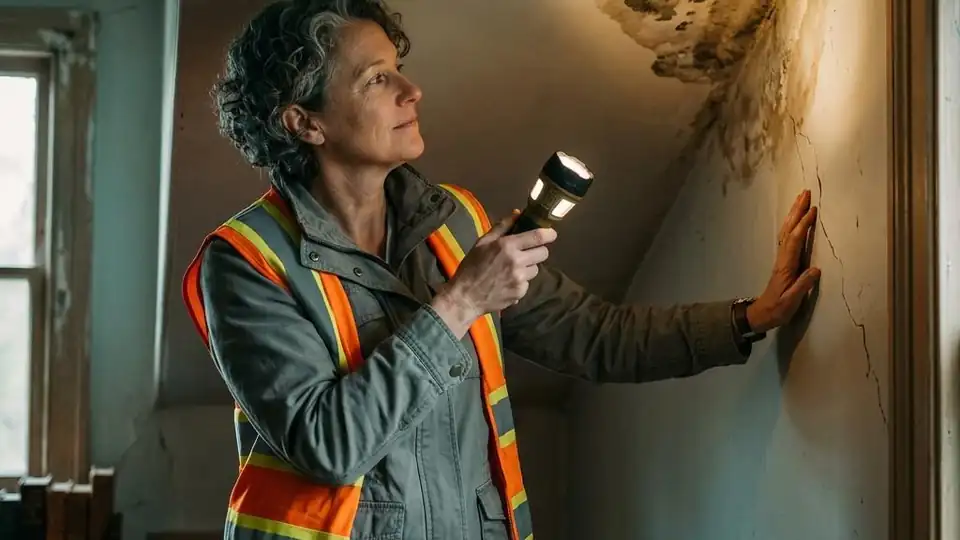
A careful look at where mold is growing, how far it has spread, and which moisture source is feeding it, so you know what you are dealing with.
Learn about mold inspection
Negative Pressure Containment
Plastic barriers plus filtered exhaust keep airflow moving into the work area, not out of it, so spores stay where the work is.
Learn about negative pressure containment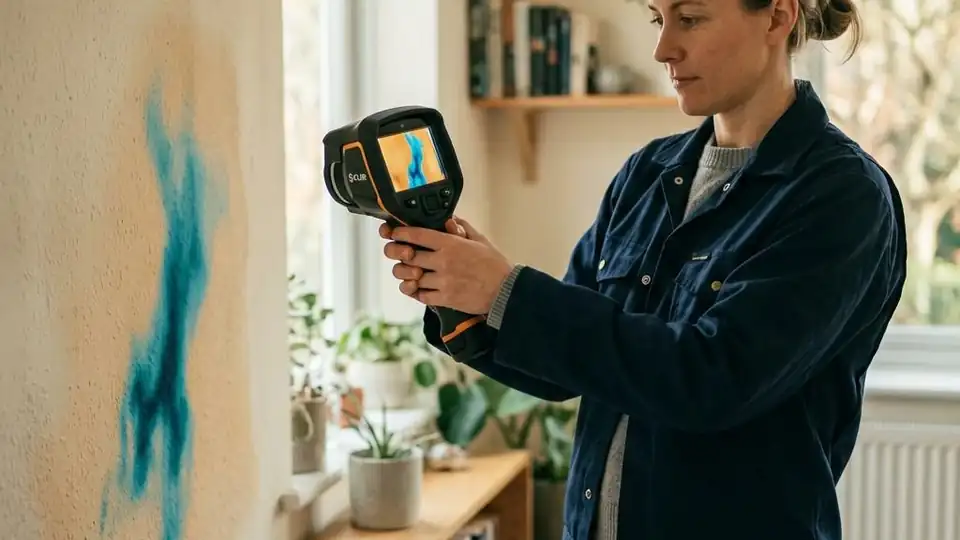
Moisture Source Detection
Mold always follows water. We use moisture meters and careful observation to trace where the water is coming from.
Learn about moisture source detection